Choosing the Right Roofing Material for Niagara's Climate: Asphalt, Metal, and Architectural Shingles Compared
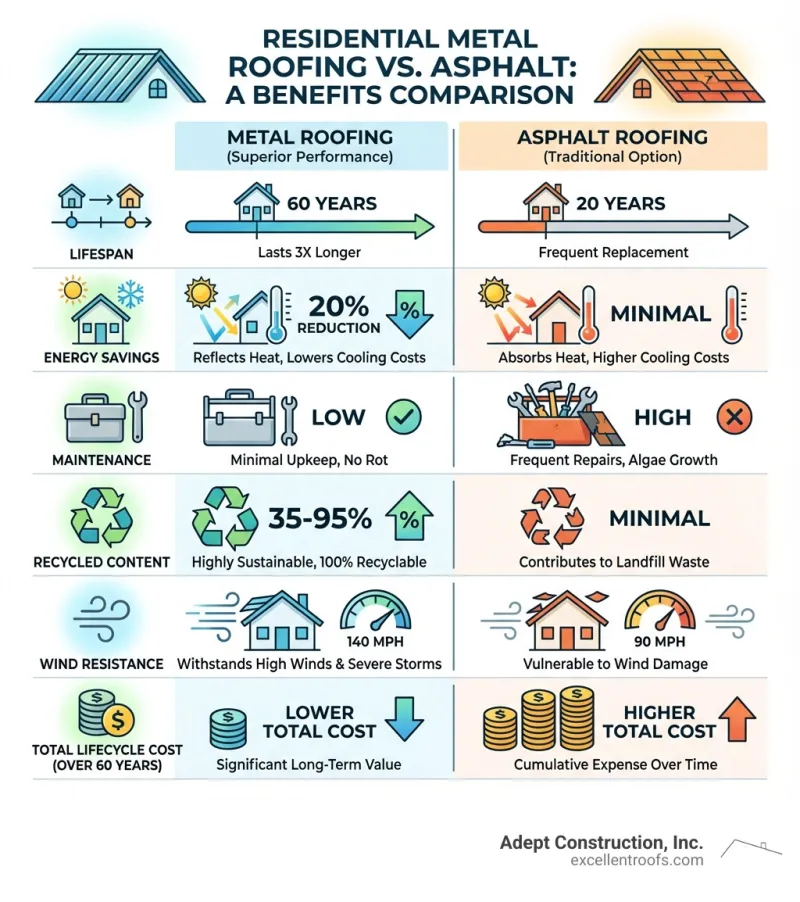
Photo: roofing materials comparison asphalt shingles metal roof installation Canadian home, via images.bannerbear.com
Replacing or installing a new roof is one of the most significant home improvement investments a property owner will make. In the Niagara Region, that decision carries additional weight because our local climate — characterised by lake-effect snow, high humidity, temperature fluctuations that can span 40 degrees Celsius across a single year, and persistent freeze-thaw cycling — places demands on roofing materials that are more pronounced than in many other parts of Canada.
Three materials dominate the residential roofing market in St. Catharines and the surrounding region: standard three-tab asphalt shingles, architectural (also called laminate or dimensional) shingles, and metal roofing systems. Each has a distinct profile of strengths, limitations, cost considerations, and maintenance requirements. Understanding the differences is essential to making a decision that aligns with your property's specific needs, your long-term budget, and the expectations you have for your home.
Standard Asphalt Shingles: The Accessible Entry Point
Three-tab asphalt shingles remain the most widely installed roofing product in Canadian residential construction, and for straightforward reasons: they are relatively affordable, widely available, and can be installed efficiently by qualified contractors. Their flat, uniform appearance suits a range of architectural styles, and they are compatible with most standard roofing systems.
Performance in Niagara Conditions
The performance of three-tab asphalt shingles in the Niagara climate is adequate, but not exceptional. These shingles are rated for wind resistance typically in the range of 60 to 90 kilometres per hour — a threshold that can be tested by the region's occasional severe weather systems. Their relatively thin profile makes them more susceptible to granule loss over time, and the repeated thermal expansion and contraction caused by Niagara's freeze-thaw cycles can accelerate cracking, curling, and brittleness as the product ages.
Humidity is also a relevant factor. Lake Ontario's moderating influence means that Niagara experiences higher average humidity than inland Ontario communities. Moisture infiltration beneath ageing asphalt shingles can degrade the underlying roof deck more quickly than in drier climates.
Lifespan and Cost
In the Niagara Region, a standard asphalt shingle roof can reasonably be expected to last between 15 and 20 years, depending on installation quality, attic ventilation, and maintenance history. Installation costs for a typical single-storey residential home generally range from approximately $5,000 to $9,000, though this varies based on roof complexity, pitch, and the scope of any necessary deck repairs.
The lower upfront cost is appealing, but homeowners should factor in the likelihood of replacement within two decades when calculating total lifecycle cost.
Maintenance Requirements
Three-tab shingles benefit from annual inspections, particularly following winter. Granule loss, cracked tabs, and lifted edges should be addressed promptly to prevent water infiltration. Gutters should be kept clear to prevent moisture from backing up beneath the eave courses.
Architectural Shingles: Enhanced Performance in a Familiar Format
Architectural shingles — sometimes referred to as dimensional or laminate shingles — represent a meaningful upgrade from their three-tab counterparts. Constructed from two or more layers of asphalt material bonded together, these shingles are thicker, heavier, and more dimensionally textured. They are designed to replicate the appearance of wood shake or slate roofing while offering the practicality of asphalt installation.
Performance in Niagara Conditions
For Niagara Region homeowners, architectural shingles offer a notably better performance profile than standard asphalt products. Their increased weight and multi-layer construction provide greater resistance to wind uplift, with many products rated for winds of 110 kilometres per hour or higher. The additional thickness also improves resistance to the thermal cracking that freeze-thaw cycling can cause in thinner products.
The textured surface of architectural shingles tends to shed snow and ice more effectively than the flat profile of three-tab shingles, which can be a modest but meaningful advantage in our climate. Their improved granule adhesion also contributes to a longer functional lifespan.
Lifespan and Cost
Quality architectural shingles installed in the Niagara Region can be expected to perform reliably for 25 to 30 years, with some premium products carrying manufacturer warranties of up to 50 years (though actual performance under local conditions should be evaluated independently of warranty language). Installation costs are typically 20 to 40 percent higher than standard asphalt, placing a typical residential project in the range of $7,000 to $14,000.
For most homeowners seeking a balance between upfront affordability and long-term value, architectural shingles represent the most practical choice in the current market.
Maintenance Requirements
Architectural shingles require similar maintenance to standard asphalt products — annual inspections, prompt repair of any damaged sections, and attention to flashing and sealant integrity. Their greater durability means that minor issues are somewhat less likely to escalate quickly, but regular professional assessment remains advisable.
Metal Roofing: Long-Term Performance for Discerning Homeowners
Metal roofing has grown considerably in popularity across Ontario over the past decade, and its adoption in the Niagara Region reflects a broader recognition of its performance advantages in Canadian climates. Available in standing seam panels, steel shingles, and stone-coated steel formats, metal roofing systems offer a fundamentally different approach to long-term property protection.
Performance in Niagara Conditions
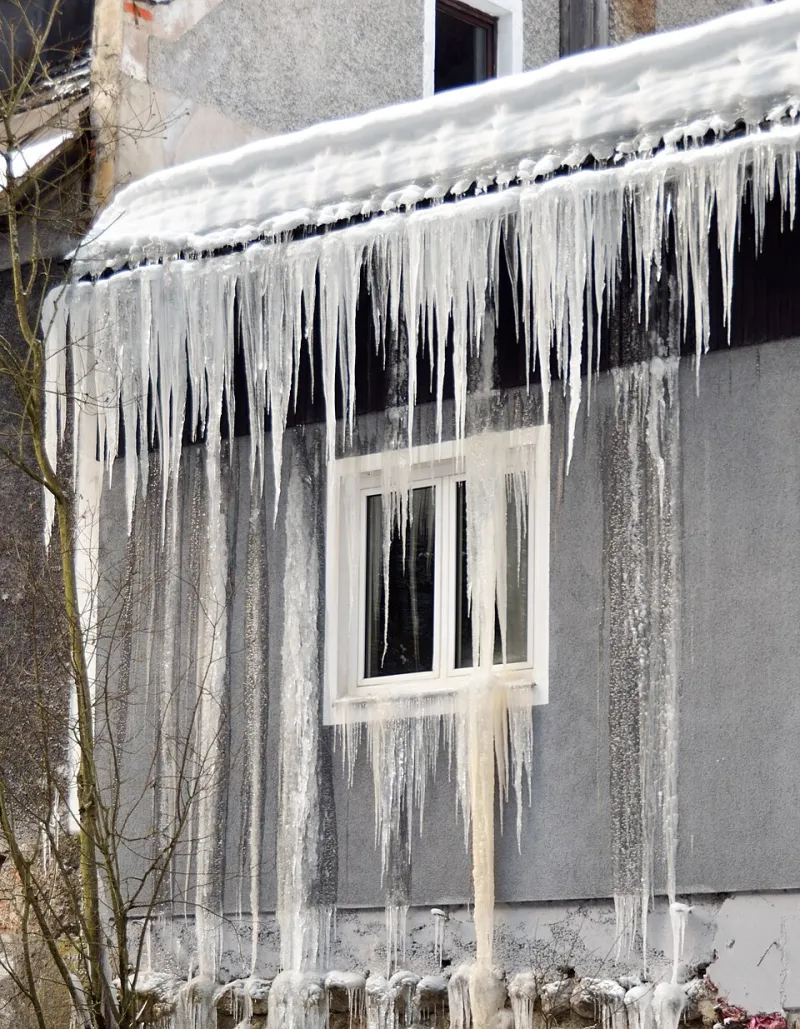
Metal roofing is exceptionally well-suited to the Niagara climate. Its inherent resistance to moisture penetration eliminates many of the vulnerabilities that affect asphalt products in high-humidity environments. Snow and ice shed from metal surfaces more readily than from asphalt, reducing the accumulation that contributes to ice dam formation — a significant advantage for homeowners in St. Catharines and surrounding communities.
Metal roofing also handles thermal cycling with greater resilience than asphalt. Modern steel roofing products are engineered with concealed fastening systems and expansion joints that accommodate movement without compromising the roof's integrity. Wind resistance ratings for quality metal roofing systems often exceed 200 kilometres per hour.
One consideration specific to the Niagara Region is the potential for hail damage. While metal roofing is generally more impact-resistant than asphalt, hail events can cause cosmetic denting on softer metals such as aluminium. Steel products with appropriate gauge ratings are typically more resistant to this type of damage.
Lifespan and Cost
A properly installed metal roof in the Niagara Region can be expected to last 40 to 70 years, with minimal performance degradation over that period. This extended lifespan fundamentally changes the lifecycle cost calculation. While installation costs are considerably higher — typically ranging from $15,000 to $30,000 or more for a standard residential property, depending on the system selected and roof complexity — the elimination of one or two full replacement cycles over a homeowner's tenure can make metal roofing economically competitive over time.
Metal roofing also carries potential energy efficiency benefits. Reflective coatings available on many products reduce solar heat gain during summer months, which can contribute modestly to cooling cost reductions.
Maintenance Requirements
Metal roofing is the lowest-maintenance option among the three materials discussed here. It does not require granule replacement, does not crack or curl, and is not susceptible to mould or algae growth in the way that organic-based asphalt products can be. Periodic inspection of fasteners, seams, and flashing remains advisable, but the overall maintenance burden is substantially lower than with asphalt alternatives.
Making the Right Choice for Your Property
There is no universally correct answer to the question of which roofing material is best. The right choice depends on several factors that are specific to your situation.
Budget and timeline: If upfront cost is the primary constraint, standard or architectural asphalt shingles offer accessible price points. If you are planning to remain in the home for several decades and prefer to invest once rather than replace again, metal roofing warrants serious consideration.
Property age and structure: Older homes with lower roof deck load ratings may not be suitable for heavier metal roofing systems without structural assessment. A qualified contractor can evaluate this during an initial consultation.
Aesthetic preferences: Architectural shingles offer the broadest range of appearances for traditional residential architecture. Metal roofing, while increasingly accepted in residential contexts, has a distinct visual character that suits some homes more than others.
Long-term plans: Homeowners who anticipate selling within ten years may find that the premium for metal roofing does not translate proportionally to resale value in all market segments.
At St. Catharines Roofing Pros, we work with homeowners across the Niagara Region to assess their specific circumstances and recommend materials that reflect both their practical needs and their long-term interests. Our team is familiar with the demands that this climate places on every roofing system, and we bring that knowledge to every consultation and installation we undertake.
If you are considering a roof replacement or new installation, we welcome the opportunity to provide a thorough assessment and a detailed, transparent estimate.