Ice Dams, Snow Loads, and Freeze-Thaw Cycles: A Niagara Homeowner's Winter Roof Survival Guide
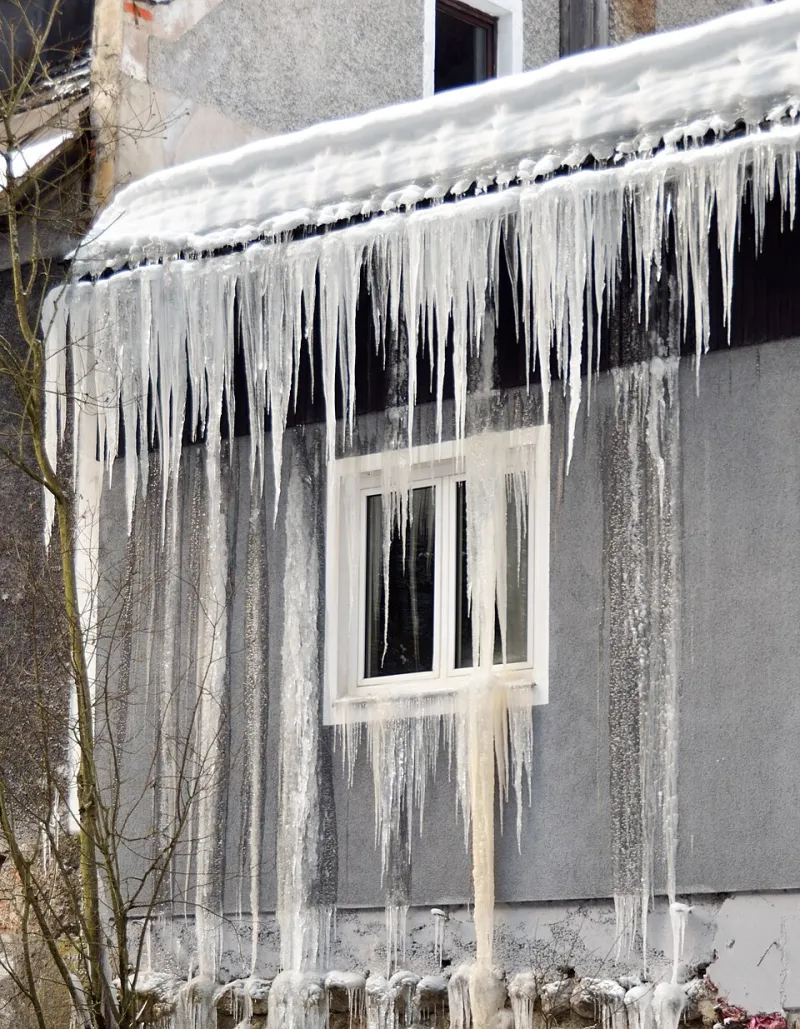
Photo: User:Herzi Pinki, CC BY-SA 3.0, via Wikimedia Commons
Winter in St. Catharines and the broader Niagara Region is not merely a season — it is a structural test for every roof in the area. Lake Ontario's proximity creates unpredictable weather patterns: temperatures that swing dramatically from week to week, heavy lake-effect snowfall, and prolonged wet periods that challenge even well-maintained roofing systems. For homeowners who overlook the subtle early signs of winter roof stress, the consequences can be significant and costly.
At St. Catharines Roofing Pros, we respond to a notable increase in service calls each January and February — most of which could have been avoided with a bit of preparation in the autumn and a clearer understanding of what to look for once the cold sets in. This guide is intended to give Niagara Region homeowners the knowledge they need to stay ahead of the season.
Understanding How Ice Dams Form
Ice dams are among the most common — and most misunderstood — sources of winter roof damage in our region. They form through a deceptively simple process: warm air escaping from inside the home heats the upper portions of the roof, melting the snow that has accumulated there. That meltwater flows downward toward the eaves, which remain cold because they extend beyond the heated building envelope. When the water reaches the cold eaves, it refreezes, gradually building up a ridge of ice.
As this cycle repeats, the dam grows larger. Water pooling behind the dam has nowhere to drain and can work its way beneath shingles, into the roof deck, and eventually through the ceiling of the home. The result is water staining, insulation damage, and in more severe cases, mould growth and structural deterioration.
It is worth noting that ice dams are not simply a consequence of heavy snowfall. They are primarily a symptom of inadequate attic insulation and ventilation. A properly insulated and ventilated attic maintains a consistent temperature across the entire roof surface, minimising the thermal variation that allows ice dams to develop.
Warning Signs You Should Not Ignore
Not all winter roof damage is immediately visible from inside the home, which is why knowing what to look for on the exterior is essential.
Large icicles hanging from the eaves are one of the most recognisable signs. While small icicles may be harmless, thick formations along the roofline often indicate that water is not draining properly and that a dam may be developing behind them.
Visible ice buildup at the roof edge that extends back up the slope is another clear indicator. This is distinct from a simple frost layer and typically appears as a thicker, irregular ridge of ice.
Water stains on interior ceilings or walls, particularly near the exterior walls of upper floors, suggest that water infiltration may already be occurring. Do not wait for the staining to worsen before seeking a professional assessment.
Sagging or bowed sections of the roof deck may indicate excessive snow load stress. A standard residential roof in Ontario is designed to accommodate a certain amount of accumulated snow, but wet, heavy lake-effect snow can exceed those thresholds — especially when combined with ice dam weight.
Peeling paint or wallpaper near exterior walls can sometimes be traced back to moisture intrusion originating at the roofline.
Managing Snow Load on Your Roof
Niagara Region homeowners are accustomed to significant snowfall, but the density and moisture content of that snow varies considerably. Wet, compacted snow is substantially heavier than dry, powdery snow, and a roof that appears to have only a moderate accumulation may actually be under considerable stress.
For most residential properties, a roof rake — a long-handled tool designed to remove snow from the ground without requiring you to climb onto the roof — is a practical and safe option for managing accumulation after heavy storms. Removing snow from the lower third of the roof is often sufficient to reduce the weight burden and interrupt the melt-refreeze cycle that contributes to ice dam formation.
We do not recommend that homeowners attempt to remove snow or ice from the roof surface itself. Working on a snow-covered or icy roof is extremely hazardous, and improper removal techniques can cause additional damage to shingles and flashing. If you are concerned about accumulation levels, contact a qualified roofing professional.
The Freeze-Thaw Problem
Beyond ice dams, the persistent freeze-thaw cycling that characterises Niagara winters takes a gradual but meaningful toll on roofing materials. Water that has seeped into small cracks or gaps in shingles, flashing, or sealants expands as it freezes and contracts as it thaws. Over many cycles across a single winter, this mechanical stress progressively widens those openings.
Flashing — the metal material used to seal transitions around chimneys, vents, skylights, and roof valleys — is particularly susceptible. Flashing that was properly sealed in warmer months can develop gaps and separations by spring. Similarly, older asphalt shingles that have already lost much of their granule coating are more vulnerable to cracking under thermal stress.
This is why a post-winter inspection is just as important as autumn preparation. What appears structurally sound in November may tell a very different story by April.
Preventative Measures Worth Taking
The most effective defence against winter roof damage begins well before the first snowfall.
Attic insulation assessment should be at the top of every homeowner's autumn checklist. Ensuring that your attic has adequate insulation to the current Ontario Building Code standard significantly reduces heat loss through the roof deck — the primary driver of ice dam formation.
Attic ventilation review works in tandem with insulation. A balanced system of intake and exhaust vents keeps attic temperatures stable and prevents the warm-cold roof surface differential that allows ice dams to develop.
Gutter cleaning and inspection before freeze-up ensures that water can drain freely from the roof. Blocked gutters accelerate ice dam development and add considerable weight to the eave structure.
Professional pre-winter roof inspection allows a qualified contractor to identify compromised shingles, deteriorated flashing, and other vulnerabilities before they are exposed to winter conditions. Addressing these issues in October is far less expensive than emergency repairs in January.
When to Call a Professional
Some situations require immediate professional attention. If you observe active water infiltration during winter, visible sagging of the roof deck, or ice dams that span a significant portion of your roofline, contact a roofing contractor promptly. Attempting to address these conditions without proper equipment and expertise can lead to personal injury and further property damage.
St. Catharines Roofing Pros serves homeowners and commercial property owners throughout St. Catharines, Niagara Falls, Welland, Thorold, and the surrounding Niagara Region. Our team is experienced in the specific winter roofing challenges that our local climate presents. Whether you require an inspection, emergency repairs, or guidance on improving your attic's thermal performance, we are available to help you protect your most significant investment.
Do not wait until spring to discover what winter has done to your roof. A proactive approach today can prevent a far more disruptive and costly situation in the months ahead.