From First Light to Final Shingle: A Day in the Life of a St. Catharines Roofing Crew
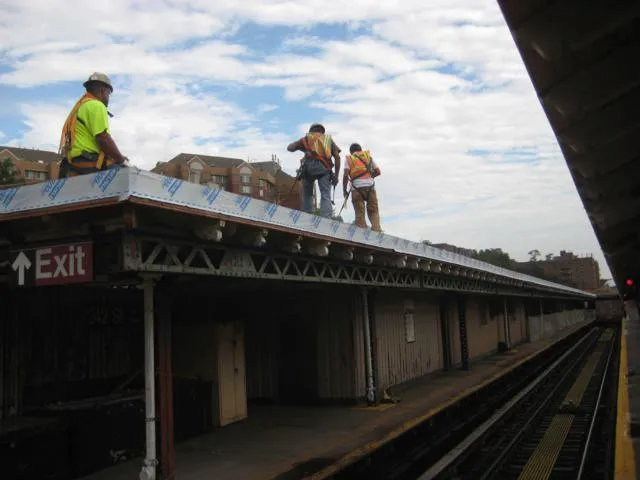
Photo: Metropolitan Transportation Authority of the State of New York, CC BY 2.0, via Wikimedia Commons
By the time most of St. Catharines is pouring its first coffee, a roofing crew has already been at work for an hour. What looks from the driveway like a day of hammering shingles is, in practice, a carefully sequenced operation — one where weather, materials, and the occasional unwelcome surprise all compete for attention. Here's how a single installation day unfolds, from the supplier's yard to the final ridge cap.
6:00 A.M. — The Supply Run
The day begins before sunrise at a building supply yard, where the crew lead confirms the order: bundles of architectural shingles matched to the homeowner's chosen colour, underlayment, ice-and-water membrane, starter strips, ridge vents, and a pallet of fasteners. Anything forgotten now costs an hour later, so the checklist is reviewed twice. In Niagara, where a forecast can turn by noon, loading early also means beating the line at the yard — and getting on the roof before the afternoon heat makes shingles soft and difficult to work with.
7:30 A.M. — Site Preparation
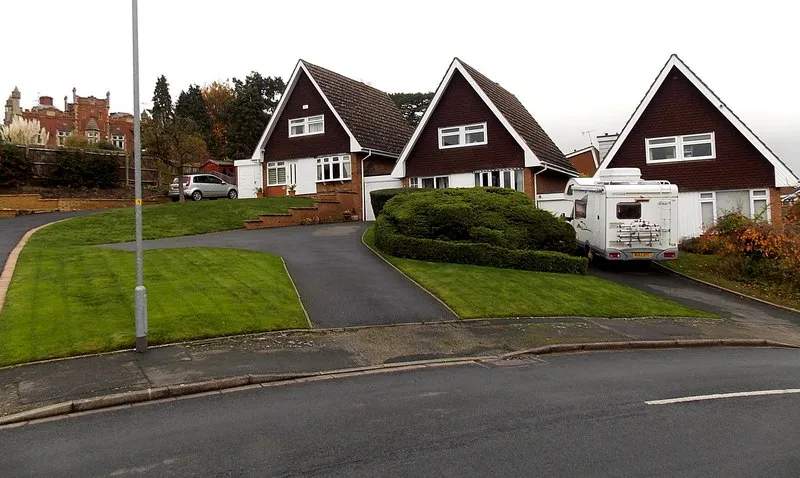
Arriving at the residential street in St. Catharines, the first job isn't on the roof at all. It's protecting everything below it. Tarps go over shrubs and exterior outlets, plywood boards shield siding and windows, and a dumpster or trailer is positioned for the tear-off debris. The crew lead walks the homeowner through the day's plan and the safety perimeter — a conversation that good contractors treat as essential, not optional.
8:00 A.M. — The Tear-Off
Tear-off is loud, fast, and dusty. Working in sections from the ridge down, the crew strips old shingles and underlayment, exposing the wooden decking beneath. This is the moment of truth: the deck is the only honest witness to the roof's history, revealing past leaks, inadequate ventilation, and — on this particular job — a problem nobody expected.
The Mid-Job Surprise: Soft Decking
Halfway up the rear slope, a crew member's hammer sinks where it should have bitten. A section of plywood around an old valley had been quietly rotting, hidden beneath shingles that looked serviceable from the ground. The crew lead photographs the damage, measures the affected area, and calls the homeowner with a clear explanation and an updated cost before any work continues.
This is precisely what separates professional workmanship from a bad job: a reputable crew documents the issue, explains it in plain terms, and gets written approval before proceeding. Homeowners should be wary of any contractor who either ignores soft spots or uses them as leverage for an inflated change order. Replacing a few sheets of decking is routine; concealing rot is a liability.
11:00 A.M. — Rebuilding From the Deck Up
With the compromised decking replaced, the roof is rebuilt in layers, each one doing a specific job:
- Ice-and-water membrane in valleys, eaves, and around penetrations — critical for Niagara's freeze-thaw cycles and ice dam risk.
- Synthetic underlayment across the remaining deck for secondary moisture protection.
- Starter strips and drip edge to control water at the perimeter.
- Shingles, installed in proper offset patterns with correct nailing — four to six fasteners per shingle, placed precisely, not driven so deep they cut the mat.
A homeowner watching from the yard will notice the crew checking lines constantly. Straight courses are not just cosmetic; misaligned shingles channel water where it shouldn't go.
3:00 P.M. — Ventilation, Flashing, and the Details
The shingling may be the visible work, but the detail work decides whether the roof lasts twenty years or twelve. Flashing is replaced — never reused — at the chimney and plumbing vents. Ridge vents are cut in and capped, allowing the attic to breathe. Gutters are cleared of tear-off debris, and the crew runs water through the downspouts to confirm everything drains. Given how much damage poor drainage causes over a Niagara winter, this step is never skipped.
5:00 P.M. — The Walkthrough and the Magnet Sweep
Before the trucks leave, the crew lead walks the property with the homeowner, pointing out completed work and answering questions. Then comes the least glamorous but most appreciated task: the magnetic sweep. Crews pass rolling magnets over the lawn and driveway repeatedly, collecting stray nails. A thorough sweep — often done twice — is one of the clearest outward signs of a crew that takes pride in its work.
What Homeowners Should Take From This
A single day of roofing work reveals a great deal about a contractor. Look for crews that arrive early, protect your property, document surprises with photos, communicate before they invoice, and leave the site cleaner than they found it. The best roofing work in St. Catharines is largely invisible — proper membrane, correct nailing, honest decking — but the habits of the crew doing it are visible all day long. When you're comparing quotes, ask about the process, not just the price. The answer will tell you what kind of day your roof is in for.