The St. Catharines Roof Colour Guide: Why the Shingle You Pick Could Change Your Summer Hydro Bill
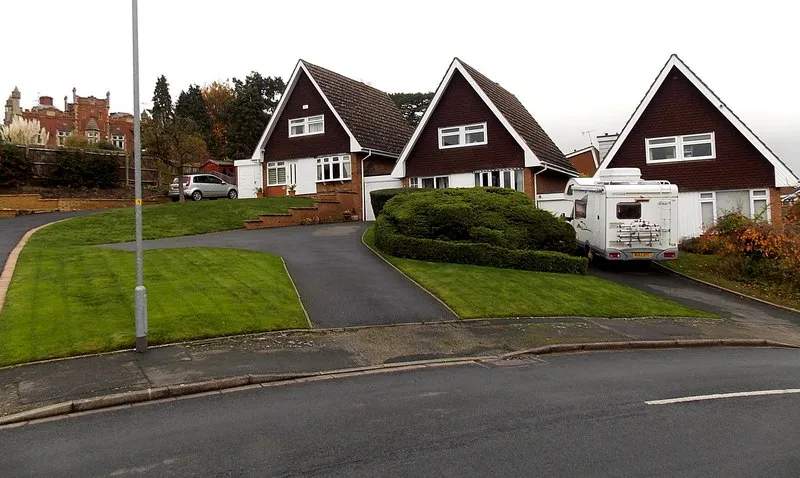
Photo: Jaggery , CC BY-SA 2.0, via Wikimedia Commons
When homeowners across St. Catharines plan a roof replacement, the conversation usually centres on material, warranty, and price. Colour tends to be settled in the driveway with a few shingle swatches held up against the brickwork. That's an understandable way to shop — but it overlooks a factor that affects your home every single sunny day: how much heat your roof absorbs.
In a city where July humidity can make attics feel like kilns, the shade of shingle you install has measurable consequences for your hydro bill, your attic's health, and the lifespan of the roof itself.
The Physics in Plain Language
Dark surfaces absorb more solar radiation; light surfaces reflect more of it. On a 30°C afternoon in Niagara, the surface of a charcoal-grey asphalt shingle can climb to 65°C or higher, while a lighter shingle under the same sun might sit 10 to 15 degrees cooler. That temperature difference doesn't stay on the surface — it conducts downward into the attic space.
A hot attic radiates heat into the rooms below, forcing air conditioners to run longer. It also bakes the shingles themselves from underneath, accelerating the loss of volatile compounds in the asphalt and shortening the roof's service life. In effect, a poorly chosen dark roof works against your comfort and your wallet twice over.
Light vs. Dark: What the Numbers Suggest
For a typical St. Catharines bungalow with a large, low-pitched roof — common in neighbourhoods like Grantham or Louth — roof surface area is substantial relative to living space. Attics in these homes bear the full brunt of summer sun, and studies on cool roofing consistently show attic temperature reductions of 8 to 12 degrees when reflective shingles replace dark ones.
Two-storey homes in older districts like Old Port Dalhousie or Western Hill present a different picture. Smaller roof footprints relative to conditioned space mean the cooling benefit is real but more modest. For these homes, colour choice can lean more heavily on aesthetics and neighbourhood character without significant thermal penalty.
Rough guidance:
- Large, low-slope, or south/west-facing roofs: light or reflective shingles pay dividends every summer.
- Steep-pitched roofs with well-ventilated attics: colour matters less; ventilation does the heavy lifting.
- Homes with mature tree cover: shade largely neutralises the colour question.
Cool-Roof Shingles: The Middle Path
Manufacturers have narrowed the gap between appearance and performance. Cool-roof shingles use specially coated granules that reflect a portion of the infrared spectrum the eye doesn't register. The result is a shingle that looks medium-brown or weathered grey but performs closer to a white or light-grey product.
These are worth serious consideration in southern Ontario. They typically carry a modest premium — often five to ten percent over standard architectural shingles — which many homeowners recoup through reduced cooling costs over the roof's life, alongside the extended shingle longevity that cooler attic conditions support.
Don't Forget Ventilation and Insulation
A fair caveat: shingle colour is one lever among several. A dark roof over a properly ventilated, well-insulated attic can outperform a light roof over a stuffy one. Before committing to any colour, confirm that soffit and ridge vents are unobstructed, that insulation meets current recommendations, and that bathroom and kitchen exhausts vent outside rather than into the attic.
We see ventilation failures on a weekly basis during St. Catharines roof inspections — and no shingle colour can compensate for a choked attic.
A Practical Decision Framework
When you're standing in a showroom with swatches in hand, ask three questions:
- How much roof does my house have, and which way does it face? South- and west-facing slopes take the hardest sun.
- What does my street look like? Some subdivisions have architectural guidelines or strong visual conventions worth respecting.
- Am I planning to stay long-term? Longer tenure justifies the cool-roof premium; a short holding period may not.
Colour With Consequences
The right shingle colour won't transform your home — but in Niagara's climate, the wrong one quietly costs you every July. If you're weighing options for an upcoming replacement, a professional assessment of your roof's orientation, pitch, and ventilation will tell you exactly how much difference reflectivity can make for your specific house. Sometimes the most valuable thing on the quote sheet isn't the shingle at all — it's the attic above it.