Heritage District Roofing in St. Catharines: Getting Approvals Without Compromising Character
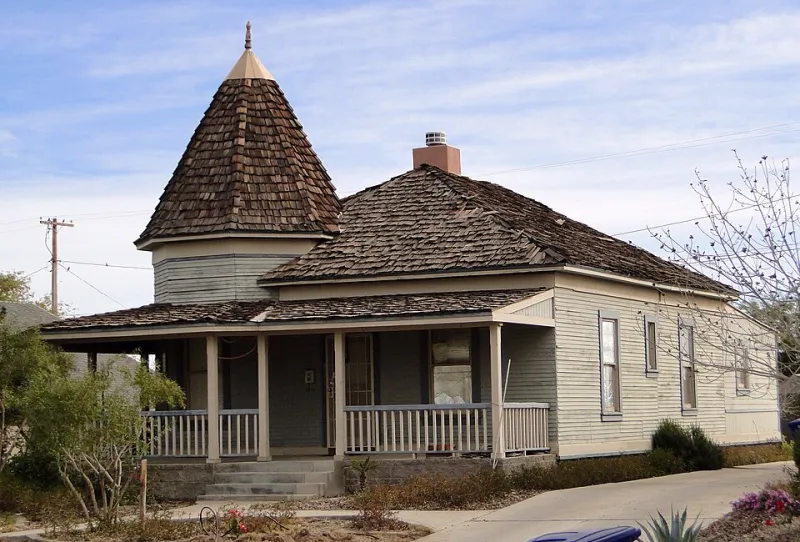
Photo: Cbl62, CC BY-SA 3.0, via Wikimedia Commons
St. Catharines is fortunate to retain some of the finest residential architecture in the Niagara Region. Neighbourhoods such as Old St. Catharines, Port Dalhousie, and the streets surrounding Montebello Park are lined with century homes — Ontario Cottages, Edwardian foursquares, and Victorian-era builds whose rooflines define their character. But when the time comes to replace a roof on one of these properties, homeowners often discover that the process is considerably more involved than a standard re-roofing job.
Why Heritage Designations Complicate Roofing Projects
Many of St. Catharines' oldest neighbourhoods fall within designated heritage conservation districts, and individual properties may additionally be listed on the municipal heritage register. Under the Ontario Heritage Act, exterior alterations that affect the character-defining features of a designated property — and the roof is almost always one of them — may require review before work begins.
Roofing matters to heritage reviewers for a simple reason: it occupies a large share of what's visible from the street. A steeply pitched roof clad in the wrong material or an incompatible colour can visibly alter a home's historic appearance, even if the structure underneath is untouched.
Materials That Typically Pass Heritage Review
While every application is assessed on its own merits, certain materials tend to fare better in heritage contexts:
- Standard asphalt shingles in traditional profiles. Three-tab or architectural shingles in matte, muted tones frequently receive approval when they approximate the original roof covering. Many century homes in Niagara were originally clad in cedar shake or slate, and a dark charcoal or weathered-grey asphalt product can offer a respectful substitute at a fraction of the cost.
- Synthetic slate and shake. These polymer or composite products replicate the profile and texture of historic materials while delivering modern durability and lower weight. They are increasingly accepted in heritage districts, though approval is more likely when the original roof was genuinely slate or shake.
- Metal roofing. Standing seam metal can be appropriate for some later-period homes, but it is often scrutinized closely on pre-1900 properties due to its distinctive appearance.
Conversely, highly reflective shingles, bold colour blends, and heavily textured contemporary profiles are more likely to draw objections.
Navigating the City's Heritage Planning Process
If your property is designated or lies within a heritage conservation district, your first step should be contacting the City of St. Catharines' planning department to confirm whether a heritage permit or staff-level approval is required. In many cases, like-for-like roof replacements are handled quickly, while material or colour changes may be referred to the municipal heritage committee.
Practical advice for a smooth process:
- Start before you commit to a contractor. Knowing your constraints upfront prevents costly re-selection of materials.
- Document the existing roof. Photographs of the current roofline, pitch, and materials support your application.
- Bring product samples and specification sheets. Reviewers respond well to concrete details rather than general descriptions.
- Build in lead time. Heritage review adds weeks to a project schedule, so plan around Niagara's short optimal roofing season.
Modern Performance Within Historic Boundaries
The good news is that heritage compliance does not mean sacrificing performance. Several upgrades are typically invisible from the street and therefore uncontroversial:
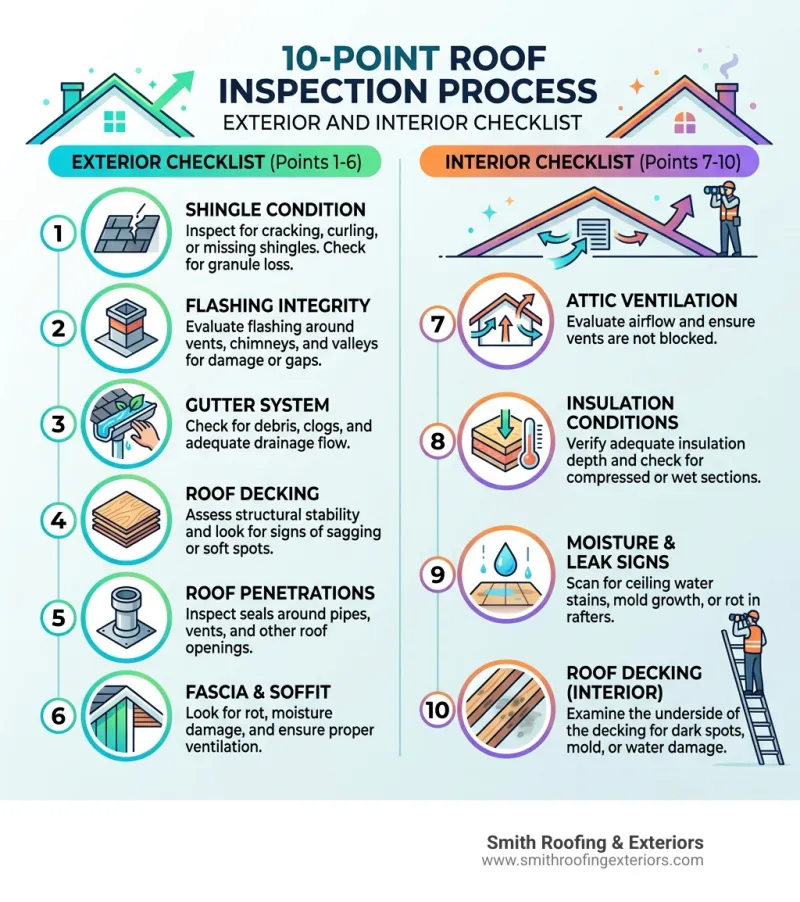
- Synthetic underlayment and ice-and-water membranes, which dramatically improve leak resistance during Niagara's freeze-thaw cycles.
- Upgraded attic ventilation, which extends shingle life and reduces winter moisture problems.
- Premium architectural shingles in heritage-appropriate colours, which outlast basic three-tab products by a decade or more.
- Improved flashing and gutter integration, protecting the original eaves, soffits, and fascia that give these homes their character.
These measures deliver meaningful gains against the Great Lakes climate — heavy snow loads, wind-driven rain off Lake Ontario, and dramatic spring thaw — without altering the home's appearance.
Working With a Contractor Who Knows the Terrain
Roofing a heritage home demands more than technical skill. A contractor familiar with St. Catharines' heritage districts can anticipate committee expectations, prepare supporting documentation, and recommend materials with a track record of approval locally. They will also understand the care required when working on older structures — aged rafters, original plank sheathing, and chimneys that may predate modern flashing standards.
If you own a century home in Port Dalhousie, Old St. Catharines, or any of the city's historic neighbourhoods and are weighing a roof replacement, a consultation that addresses both the heritage process and the technical scope will save you time, stress, and the expense of rework. The goal is straightforward: a roof that protects your home for decades while looking as though it has always belonged there.