Patch or Replace? The Honest Checklist Niagara Homeowners Need Before Spending Another Dollar on Roof Repairs
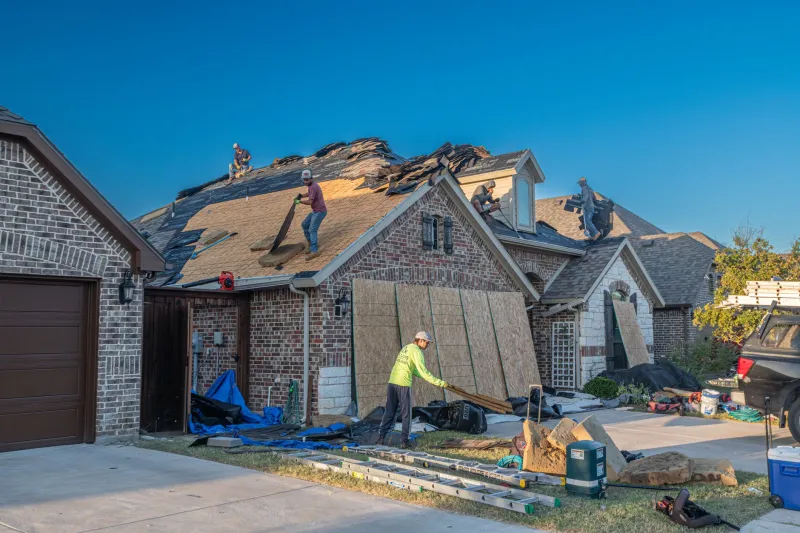
Every roofing company has an obligation to give honest advice, but the reality is that homeowners in St. Catharines often hear only the option being sold to them. A contractor who specializes in repairs may keep patching a roof that is past its prime; another may recommend a full replacement when a targeted fix would have bought you a decade. The truth lives somewhere in between, and it is knowable — if you know what to look for.
Why the Repair-versus-Replace Question Matters More in Niagara
Niagara's climate is unforgiving on roofing materials. Freeze-thaw cycles through winter, humid summers, lake-effect moisture, and the occasional hail event all accelerate shingle aging. A roof that might last 25 years in a milder region can show serious wear at 18 or 20 here. That means the window in which repairs are genuinely cost-effective closes earlier than many homeowners expect.
Seven Signs Your Roof Is Asking for Replacement, Not Another Patch
1. Widespread Granule Loss
Check your eavestroughs and downspout exits after a heavy rain. A handful of granules is normal on an aging shingle; a persistent accumulation that looks like coarse black sand is not. Granules are the shingle's sunscreen — once they wash away in volume, the asphalt underneath dries, curls, and cracks far faster.
2. Soft or Spongy Decking
If you notice sagging lines along the roof plane from the street, or the roof feels springy underfoot during an inspection, the plywood decking beneath the shingles has likely absorbed moisture and begun to deteriorate. Repairs cannot fix compromised decking across large areas; the roof needs to come off and the deck rebuilt.
3. Curling, Cupping, or Clawing Shingles
Individual lifted shingles can be replaced. When the majority of the field is curling at the edges or the tabs are pulling away from the mat, the shingles have lost their structural integrity. Adhesive resealing is a temporary cosmetic fix at best.
4. Repairs Are Becoming Annual Events
Keep an honest tally. If you have called a roofer in each of the last two or three years — $400 here, $900 there, a leak chase the following spring — you are amortizing a replacement anyway, without the benefit of a new roof. Add up the last five years of roofing invoices. If the total is approaching a third of a replacement quote, the math has already spoken.
5. Leaks in Multiple, Unrelated Locations
A single leak usually traces to one failed flashing or penetration. Water appearing in two or three different areas of the ceiling suggests the roofing system as a whole is failing, not one weak point.
6. Daylight in the Attic or Chronic Attic Moisture
During daylight, turn off the attic lights and look up. Pinpoints of light indicate gaps in the deck. Combined with damp insulation, frost on nail heads in winter, or a musty smell, this points to systemic failure rather than an isolated defect.
7. The Roof Has Passed Its Realistic Lifespan
Standard three-tab asphalt shingles in Niagara typically last 18 to 22 years; architectural shingles 22 to 28. If your roof is at or beyond these figures and showing any of the symptoms above, every repair is a stopgap on borrowed time.
A Simple Decision Framework Before You Call for a Second Opinion
Before your next roofing conversation, work through four questions:
- Age: Is the roof within five years of its expected lifespan?
- Scope: Does the damage affect one zone, or more than 30% of the roof surface?
- History: Have repairs in the past three years exceeded $1,500 in total?
- Deck condition: Has any professional flagged soft spots or structural concerns?
Two or more "yes" answers generally point toward replacement. One or none may justify a quality repair with a written workmanship warranty. Bring this tally to any contractor you meet — a reputable one will engage with it directly rather than dismiss it.
What a Fair Replacement Conversation Looks Like
When you request quotes in St. Catharines, expect a written scope that specifies decking replacement rates, underlayment type, ventilation strategy, and flashing details — not just a per-square price. Beware of any quote that arrives without an attic inspection; the space above your ceiling tells a contractor as much as the shingles themselves.
The Bottom Line
Roofing decisions reward homeowners who ask direct questions. Repairs have their place — a well-timed fix on a healthy roof is smart economics. But when the signs above start stacking up, continuing to patch an end-of-life roof is not thrift; it is deferred spending with interest. Get the assessment, do the arithmetic, and invest where it will actually protect your home.