Why Two Streets in St. Catharines Can Demand Two Completely Different Roofing Strategies

Drive ten minutes across St. Catharines and you can pass through half a dozen distinct roofing environments without noticing. The shingles on a lakeside cottage-style home in Port Dalhousie endure conditions that a house near the Louth Street corridor never will — and vice versa. Yet most roofing advice treats the city as one uniform climate. In practice, your address plays a larger role in your roof's lifespan than many homeowners realise.
Port Dalhousie: The Lake Effect Is Real
Homes closest to Lake Ontario and the old canal live in a moisture-heavy microclimate. Lake-effect humidity keeps roof surfaces damp longer, slowing drying after rain and extending the window for moss and algae growth on asphalt shingles. Winter brings heavier wet-snow events, and the freeze-thaw cycling along the lakeshore tends to be more frequent than further up the escarpment.
For Port Dalhousie properties, we generally recommend:
- Algae-resistant architectural shingles with copper or zinc granules to combat organic staining
- Enhanced underlayment at eaves and valleys, where ice damming is most persistent
- Annual inspections rather than the standard every-two-years schedule, since moisture damage compounds quietly
Steel roofing also performs exceptionally well here, shedding wet snow quickly and resisting the corrosion that constant dampness can induce in lesser materials.
Elevated South-End Subdivisions: Wind Is the Enemy
The newer subdivisions in St. Catharines' south end sit on higher ground with fewer mature windbreaks. Exposure is the defining challenge — ridge caps, starter courses, and flashing details take a persistent beating from prevailing westerly winds sweeping across the open terrain.
Wind-driven rain finds gaps that gravity-fed water never would. That means installation quality matters more than material grade in these neighbourhoods. A mid-tier shingle correctly fastened with six nails per shingle, proper starter strips, and sealed valleys will outperform a premium product installed carelessly.
Homeowners in these areas should prioritise:
- High-wind-rated shingles (Class H, rated to 130 km/h or better)
- Mechanically fastened ridge venting rather than adhesive-only systems
- Post-storm checks after significant wind events, even if nothing looks obviously wrong from the ground
Older Downtown Streets: Living Under a Canopy
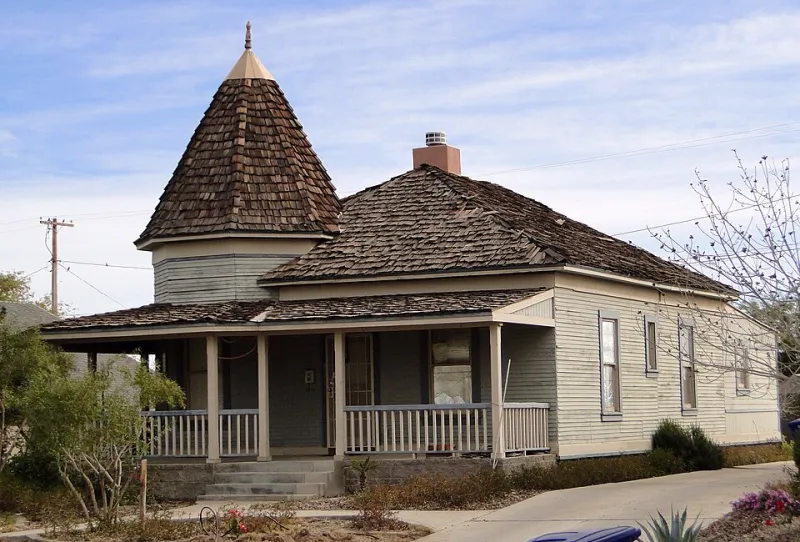
Mature tree coverage is a defining feature of central St. Catharines neighbourhoods — and a double-edged sword for roofing. Shade keeps attics cooler in summer, but overhanging branches drop organic debris, hold moisture against shingles, and provide highways for squirrels and raccoons whose activity damages roof edges and soffits.
Gutters on these streets clog faster than anywhere else in the city. When downspouts overflow, water backs up under the eave edge, and the resulting rot often appears on fascia boards before homeowners notice anything at roof level.
For tree-covered lots, we advise:
- Gutter cleaning twice yearly at minimum, ideally in late spring and late fall
- Trimming back branches to at least two metres from the roofline
- Considering a metal or higher-profile shingle that sheds debris and resists abrasion from falling limbs
Louth Street and the West End: The Middle Ground
Homes along the Louth corridor sit between extremes — moderate exposure, moderate tree cover, moderate moisture. That's not a free pass, though. These roofs tend to age predictably, which makes them ideal candidates for planned maintenance rather than reactive repair. A homeowner who schedules a professional inspection every second year and addresses minor flashing or shingle issues promptly can realistically stretch an asphalt roof to its full rated lifespan.
Why Micro-Location Should Shape Your Next Roofing Decision
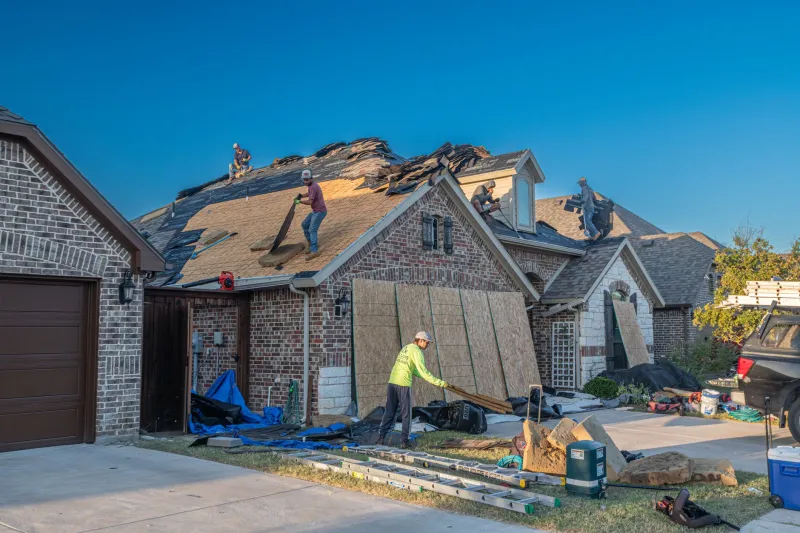
When quoting a roof, we assess the property, not just the structure. Two identical homes can warrant different materials, different underlayment specifications, and different maintenance commitments depending on which neighbourhood they occupy.
The practical takeaway for St. Catharines homeowners is straightforward: before committing to a repair or replacement, ask your contractor how your specific location — its moisture, wind, and shade profile — should influence the specification. A roof designed for its actual environment will cost less to maintain over its lifetime than one chosen from a catalogue.
If you're unsure which conditions your neighbourhood presents, a professional inspection is the fastest way to find out. It takes an hour, and it tells you exactly what your roof is up against — and what it needs to last.