What Neglecting Your Roof Is Really Costing You: A St. Catharines Homeowner's Financial Wake-Up Call

Photo by Photo by Chelaxy Designs on Unsplash on Unsplash
For many homeowners in St. Catharines, the roof is something of an afterthought—out of sight, out of mind. Life gets busy, budgets get stretched, and that annual inspection keeps getting pushed to next season. It is a pattern we see repeatedly across the Niagara region, and it almost always ends the same way: with a repair bill that dwarfs what a simple inspection would have cost.
At St. Catharines Roofing Pros, we have spent years responding to emergency calls from homeowners who had no idea their roof was failing until water was dripping through the ceiling or mould was spreading through the attic insulation. The financial and structural damage that accumulates from deferred maintenance is not abstract—it is measurable, preventable, and frankly, avoidable.
The Niagara Region's Unique Roofing Challenges
Before discussing the costs of neglect, it is worth acknowledging why St. Catharines roofs face a particularly demanding environment. The Niagara region experiences a full range of seasonal extremes: heavy lake-effect snowfall from Lake Ontario and Lake Erie, prolonged freeze-thaw cycles through late winter and early spring, and significant wind and rain exposure during transitional seasons. These conditions accelerate the natural deterioration of roofing materials, making what might be a five-year maintenance window in a milder climate a two-to-three-year reality here.
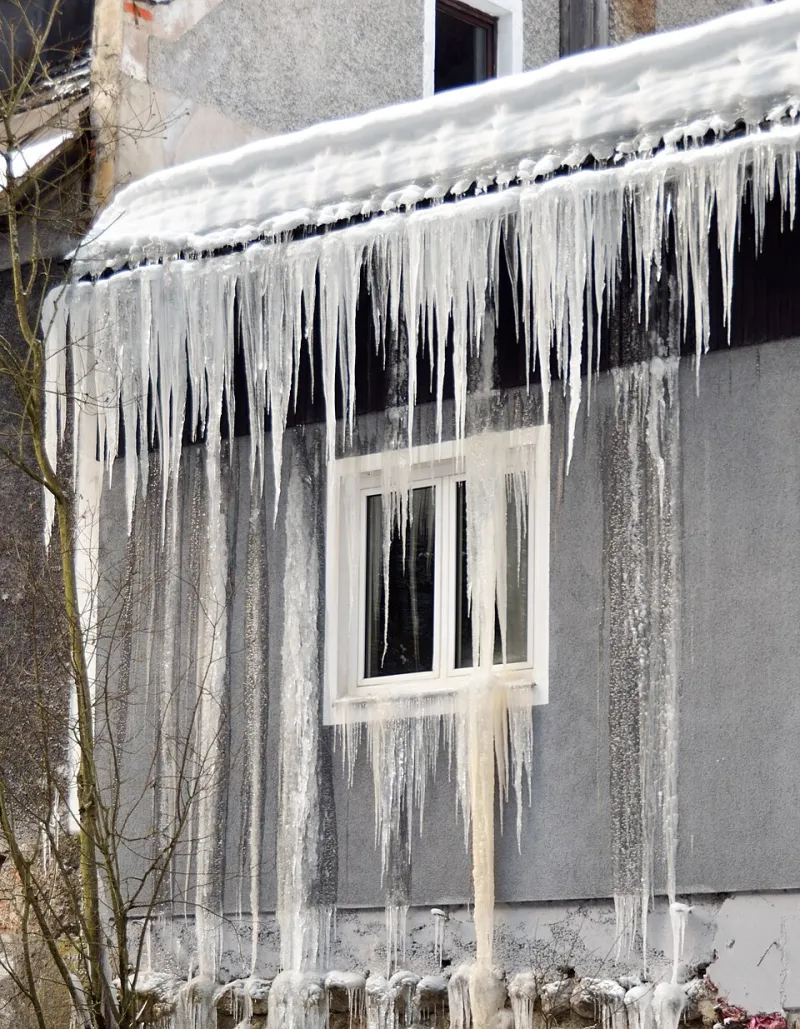
Asphalt shingles—the most common roofing material in the region—are especially vulnerable to granule loss, cracking, and lifting when subjected to repeated thermal stress. Metal flashings around chimneys, vents, and skylights expand and contract with temperature fluctuations, gradually loosening their seals. Gutters clogged with autumn debris back up and freeze, directing meltwater under the roofline. None of these processes happen overnight, but all of them accelerate when left unaddressed.
The Cascade Effect: How Small Problems Become Expensive Ones
One of the most important concepts in roof maintenance is what professionals refer to as the cascade effect—the way in which one small, inexpensive defect, left unaddressed, creates a chain of progressively more serious and costly problems.
Consider a common scenario we encounter in St. Catharines neighbourhoods: a handful of shingles begin to cup or curl at the edges following a particularly harsh winter. On their own, these shingles represent a minor issue—perhaps a few hundred dollars to replace. Left alone, however, the compromised shingles allow wind-driven rain to penetrate the underlayment. Moisture reaches the roof deck, and wood rot begins to set in. By the following spring, what started as a shingle replacement has become a partial deck replacement, potentially costing several thousand dollars. If the leak has been ongoing, attic insulation may be saturated, mould may have taken hold, and interior ceiling damage may be present as well.
We have seen this exact progression play out in homes across St. Catharines, Thorold, and Welland. In one case, a homeowner on the west side of the city had not had a professional inspection in over six years. What was discovered during an emergency call—triggered by a visible water stain on the living room ceiling—included a rotted section of decking spanning nearly 40 square feet, two compromised valley flashings, and mould growth in the attic that required professional remediation. The total remediation and repair cost exceeded $14,000. A routine inspection conducted two years earlier had flagged the flashings as a concern; that repair, at the time, would have cost approximately $400.
The True Price of an Emergency Repair
Beyond the direct repair costs, emergency roofing work carries a significant premium. When a roof fails suddenly—during a rainstorm or following a heavy snowfall—homeowners face the dual burden of urgency and limited options. Emergency service calls typically carry higher labour rates, and the scope of damage discovered under pressure often expands once work begins.
Insurance is another consideration that homeowners frequently overlook. Many home insurance policies in Ontario include clauses that limit or deny coverage for water damage that can be attributed to a lack of maintenance. If an adjuster determines that a leak resulted from deterioration that a reasonable inspection would have caught, the claim may be partially or fully denied. This is a scenario that leaves homeowners bearing the full cost of repairs that they may have assumed were covered.
Annual Inspections: The Numbers Make the Case
A professional roof inspection from a qualified contractor in the Niagara region typically costs between $150 and $350, depending on the size and complexity of the home. That investment, conducted annually, creates a documented record of your roof's condition, identifies emerging issues before they escalate, and provides the kind of early intervention that consistently saves thousands of dollars over the life of a roof.
Beyond the direct savings, regular inspections extend the functional lifespan of your roofing system. A well-maintained asphalt shingle roof in Ontario can be expected to perform for 20 to 25 years. A neglected one, particularly in a climate as demanding as the Niagara region's, may require full replacement five to eight years ahead of schedule. Given that a full residential re-roofing project in St. Catharines can range from $8,000 to $20,000 or more depending on the property, the value of those additional years is substantial.
What a Professional Inspection Actually Covers
Homeowners sometimes assume that an inspection is simply a visual walk-around, something they could do themselves from the ground. In reality, a thorough professional inspection covers considerably more ground.
A qualified inspector will assess shingle condition across all roof planes, checking for granule loss, cracking, blistering, and improper installation. Flashings at every penetration point—chimneys, plumbing stacks, skylights, and wall transitions—are examined for gaps, rust, and sealant failure. The gutters and downspouts are checked for proper attachment, drainage capacity, and signs of ice dam damage. Soffit and fascia are reviewed for rot or pest intrusion. Critically, the attic interior is also assessed, where early signs of moisture infiltration, inadequate ventilation, and insulation compression can be identified long before they manifest as visible interior damage.
This comprehensive approach is what distinguishes a professional inspection from a cursory glance and what makes it worth the investment.
Making the Commitment to Preventative Maintenance
The shift in perspective that we encourage homeowners to make is a simple one: stop thinking of a roof inspection as an expense and start treating it as a form of insurance. In a region where weather conditions are as variable and demanding as they are in St. Catharines, your roof is one of the hardest-working components of your home. It deserves the same proactive attention you would give to your furnace, your plumbing, or your vehicle.
Scheduling an inspection once per year—ideally in the spring following winter's worst, or in the early autumn before the cold season begins—is a modest commitment with a measurable return. At St. Catharines Roofing Pros, we provide detailed written reports following every inspection, giving homeowners a clear picture of their roof's current condition and a prioritised list of any recommended work.
The cost of ignoring your roof is never zero. The only question is when, and how much, you will eventually pay.