Between Tenancies and Tight Margins: How St. Catharines Landlords Should Time and Budget a Roof Replacement
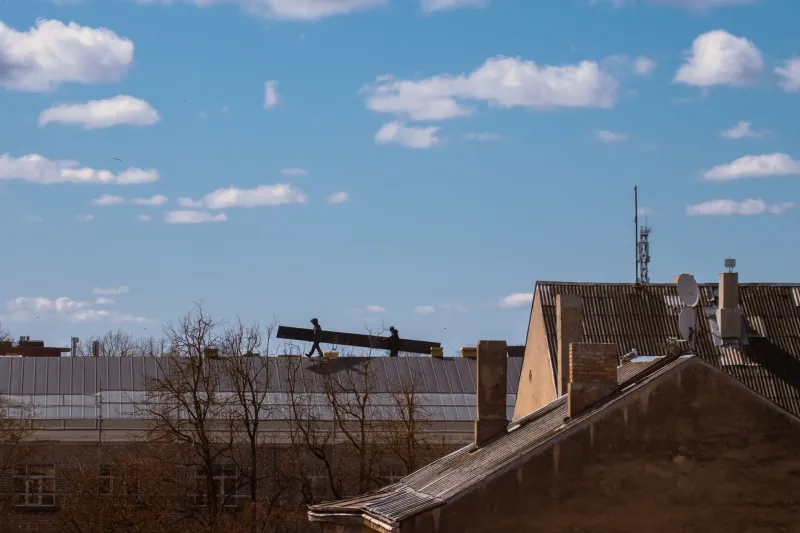
For most St. Catharines homeowners, a failing roof is an inconvenience. For a landlord, it is something different entirely: a direct threat to rental income, tenant relationships, and the long-term value of the investment. A single-unit bungalow near Brock University and a six-plex in the downtown core present very different challenges, but the underlying principle is the same — roofing decisions on income properties are business decisions, and they deserve the same rigour as any capital expenditure.
Why Rental Roofs Follow Different Rules
An owner-occupied home can tolerate a little procrastination. A rental property cannot. Landlords carry legal obligations under Ontario's Residential Tenancies Act to keep the property in a good state of repair, and a leaking roof that damages a tenant's belongings or creates mould can escalate quickly into a formal complaint or a claim at the Landlord and Tenant Board.
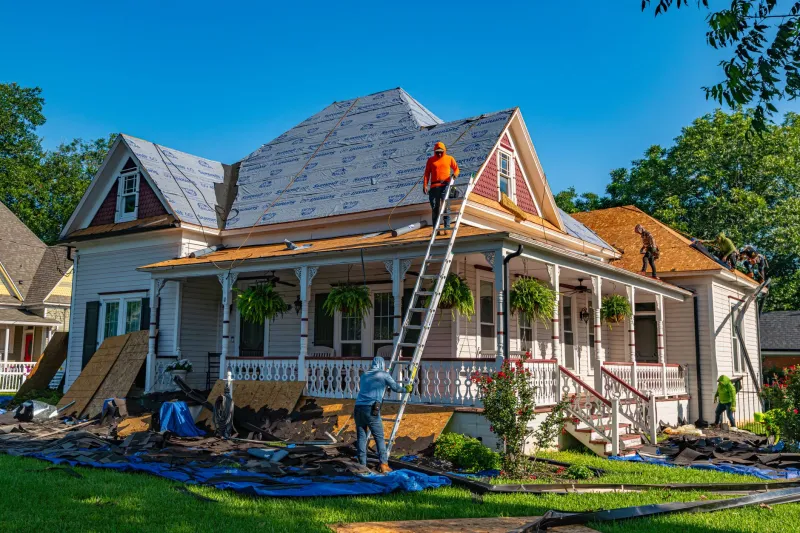
There is also the vacancy calculus. A roof replacement typically takes two to four days for a standard detached home, longer for multi-unit buildings. Every day of disruption affects tenants, and unhappy tenants in a competitive rental market like St. Catharines — where students, families, and commuters from the GTA all compete for housing — means turnover risk. Replacing a tenant costs a landlord far more than replacing a roof section.
Timing the Work: Turnover Windows vs. Emergency Calls
The ideal moment for major roofing work is a planned turnover, when the unit is vacant and access is unrestricted. Savvy landlords build a roofing timeline into their capital planning the same way they budget for furnaces and water heaters. If a roof is approaching the fifteen-year mark on an asphalt shingle system, start obtaining assessments a full year before the anticipated turnover so the work can be scheduled deliberately rather than reactively.
When tenants are in place, communication is everything. Provide written notice well in advance — Ontario requires at least 24 hours' notice for entry, but professional practice suggests two weeks or more for disruptive work. Explain the schedule, the noise, and the expected duration. A tenant who feels informed is a tenant who renews the lease.
Emergency repairs, by contrast, remove all the leverage. A roof that fails during a February ice storm in Niagara gets repaired on the contractor's terms, at emergency rates, often with temporary measures that cost more over time than a planned replacement would have.
Budgeting Across a Portfolio
Landlords evaluating roofing quotes should think in annualised terms rather than sticker price. A $12,000 architectural shingle replacement on a detached rental that lasts 25 years costs roughly $480 per year — less than one month's rent on most St. Catharines units. Framed this way, the decision becomes easier to justify, particularly when weighed against the alternative: escalating patch repairs on a failing system, each one billed at a service-call minimum.
For multi-unit properties, consider these budgeting practices:
- Establish a roof reserve — set aside a fixed percentage of monthly rent (commonly 5–10% for older buildings) specifically for envelope repairs.
- Phase large projects — some multi-unit roofs can be replaced in sections across consecutive seasons, spreading the cost while managing tenant disruption.
- Document everything — invoices, photos, and inspection reports protect you at tax time and become selling points if you ever list the property.
- Bundle exterior work — combining gutters, soffit, and flashing upgrades with a roof replacement reduces mobilisation costs.
Repair, Replace, or Defer?
Not every roofing issue justifies a full replacement. Localised damage — a few wind-lifted shingles after a Lake Ontario squall, or flashing failure around a chimney — is usually a repair job, provided the underlying system has years of service life left. The warning signs that point toward replacement include granule loss filling the gutters, curling or cupping shingles across broad sections, repeated leaks in multiple locations, and sagging deck lines visible from the street.
Landlords should also weigh the revenue side of the ledger. A new roof is a marketable feature in rental listings, justifying stronger rent and attracting longer-term tenants who read a well-maintained building as a sign of a responsible owner. In neighbourhoods like Louth or Grantham, where older housing stock dominates, a documented roof replacement can meaningfully differentiate a listing.
Protecting the Asset
The most expensive roofing decision a landlord can make is the one made too late. An annual professional inspection — ideally each spring, after Niagara's freeze-thaw cycle has done its worst — costs a fraction of an emergency replacement and produces a maintenance record that serves insurance, tax, and resale purposes.
For St. Catharines landlords, the roof is not overhead in the figurative sense only. It is the barrier protecting the entire investment, and treating it with the same strategic attention as rent collection and tenant screening is what separates a sustainable rental portfolio from a money pit.