The Investor's Guide to Roof Due Diligence in Niagara's Real Estate Market

In a market as competitive as Niagara's, buyers frequently find themselves waiving conditions and making quick decisions. Yet few purchases carry as much hidden financial risk as a house with a failing roof. A full replacement on a typical St. Catharines detached home can run well into five figures, and that cost rarely shows up in a listing photo.
Whether you're flipping a property on a tight margin or purchasing a long-term rental near Brock University, understanding the roof's true condition before your offer goes firm is one of the most valuable forms of due diligence available to you.
Why the Roof Deserves Its Own Line in Your Budget
Real estate investors are accustomed to evaluating kitchens, bathrooms, and curb appeal — the elements that drive sale price. Roofs, by contrast, are pure cost centres until they fail, at which point they become urgent cost centres. A compromised roof doesn't just need shingles; it can mean damaged sheathing, wet insulation, mould in the attic, and interior repairs that multiply quickly.
In the Niagara Region specifically, our climate accelerates roof deterioration. Freeze-thaw cycles, lake-effect moisture from Lake Ontario, heavy spring rains, and the occasional summer hail event all shorten shingle life compared to milder regions of Ontario. A roof that would last 22 years in a drier climate may struggle to reach 17 here.
Red Flags You Can Spot From the Ground
You don't need a ladder to gather useful intelligence. During a viewing, take a few minutes in the driveway and look for the following:
- Curling or cupping shingles — edges lifting away from the roof surface suggest the shingles are well into the second half of their lifespan.
- Bald spots and granule loss — excessive granules in the eavestroughs or on the ground indicate asphalt shingles shedding their protective coating.
- Sagging rooflines — a wavy or dipping ridge line can signal decking rot or structural issues, which are far more serious than surface wear.
- Missing shingles or patched sections — visible repairs in inconsistent materials suggest reactive maintenance rather than planned upkeep.
- Moss and algae streaking — common in shaded, damp Niagara neighbourhoods, moss holds moisture against the roof and accelerates decay.
- Flashing problems — rusted or lifting flashing around chimneys, skylights, and vents is one of the most common sources of leaks we see in St. Catharines homes.
Also examine the eavestroughs. Granule buildup, sagging runs, or water staining on soffits all tell a story about how the roof has been shedding water.
Asking the Right Questions Before You Offer
Sellers and listing agents can provide information that saves you guesswork. Reasonable questions include:
- When was the roof last replaced, and by whom?
- Are there transferable warranty documents?
- Have there been any insurance claims related to roof damage?
- When was the attic last inspected, and are there records?
A seller with nothing to hide will usually answer directly. Evasiveness on roof age is itself a data point.
How Roof Age Shifts Your Negotiating Position
Roof condition is one of the few remaining areas where buyers retain real leverage, even in a hot market. A roof at 80% of its lifespan is not a crisis, but it is a known future expense — and known expenses can be priced.
Consider a practical framework:
- Roof under 10 years old: Minimal leverage, but verify installation quality and warranty transfer.
- Roof 12–18 years old: A replacement is a realistic medium-term cost. Factor a portion into your offer or request a credit.
- Roof 20+ years old or actively failing: Treat it as an immediate line item. Either negotiate the full replacement cost or be prepared to absorb it.
An inspection condition — even a brief one focused on roof and attic — gives you documented evidence to support a price adjustment. Photos of curled shingles or attic water staining are difficult for a seller to argue with.
When to Walk Away
Not every roof problem is a negotiation opportunity. Some are deal-breakers:
- Structural sagging suggesting compromised rafters or decking
- Evidence of long-term, widespread leakage with mould in the attic cavity
- Multiple layers of shingles over deteriorated sheathing
- Chimneys or dormers with rot extending into the framing
Repairs of this scale routinely exceed what a flip budget can absorb, and on a rental property they can erase years of projected cash flow. A house is rarely as cheap as it looks when the roof structure itself is the problem.
The Value of a Professional Assessment
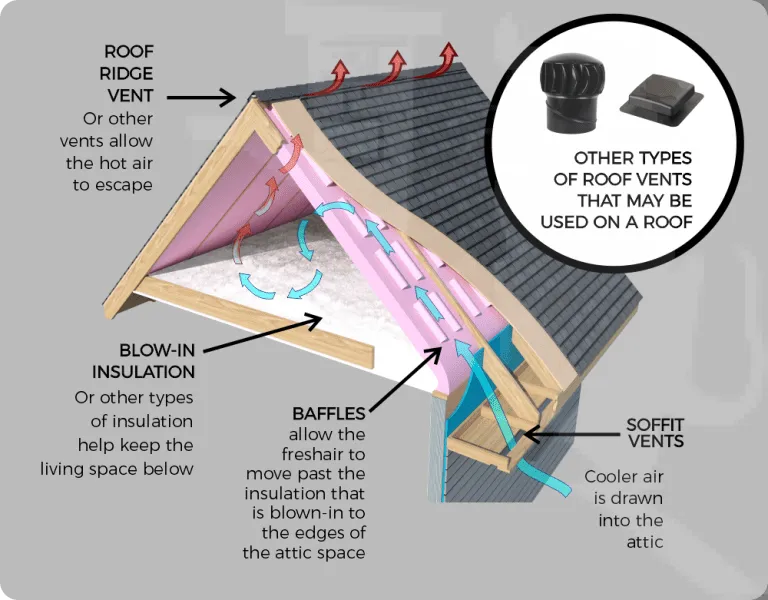
A ground-level scan is a screening tool, not a verdict. A professional roof inspection examines attic ventilation, insulation moisture, decking integrity, flashing detail, and drainage — the factors that determine whether a roof has two seasons or ten left in it.
For investors working multiple properties across St. Catharines, Thorold, and Welland, building a relationship with a local roofing contractor pays dividends: faster turnaround on condition reports, honest repair-versus-replace guidance, and priority scheduling when a closing timeline is tight.
Protecting the Investment After Closing
Once the property is yours, a maintenance plan preserves your margin. Clear the eavestroughs each spring and fall, trim overhanging branches, and have the roof inspected after significant storms. Small interventions — resealing flashing, replacing a few shingles — cost comparatively little and prevent the compounding water damage that turns a profitable flip into a lesson.
In Niagara's real estate market, the winning bids often go to buyers who understood exactly what they were buying. The roof is where that understanding begins.