When the Hail Clears: Protecting Your St. Catharines Home from Post-Storm Roofing Scams
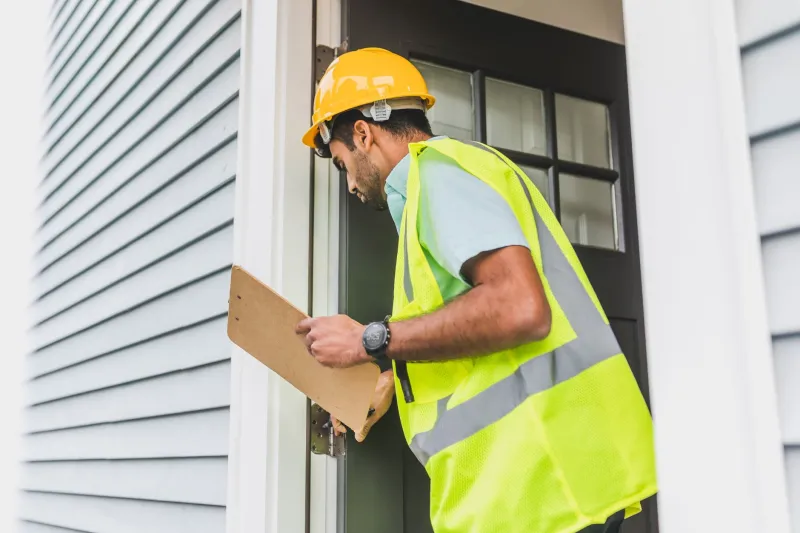
A significant hailstorm moves through the Niagara Region, and within days, the character of some residential streets changes. Unfamiliar vans appear. Knocking begins at doors with the heaviest visible roof damage. Homeowners, still tallying shingle damage and gutter dents, suddenly find themselves face-to-face with confident strangers offering immediate repairs at prices that seem almost too convenient.
This pattern repeats after nearly every major weather event across Ontario, and St. Catharines is no exception. Understanding how these transient operators work — and how to verify a contractor before signing anything — is one of the most practical forms of roof maintenance a homeowner can perform.
The Storm-Chaser Playbook
Out-of-town roofing operators follow a predictable sequence. They monitor weather reports, mobilise crews toward affected regions, and work neighbourhoods intensively before local demand recovers. Their business model depends on volume and speed, not on reputation within the community.
The tactics tend to follow familiar lines:
- Door-to-door solicitation claiming they 'just happened to be in the area' and noticed damage from the street
- Urgency framing — warnings that delays will void insurance claims or that their crew is leaving town imminently
- Pressure to sign immediately, often with discounts offered only if the homeowner commits on the spot
- Demands for large upfront cash payments, sometimes framed as a requirement to 'lock in materials'
- Vague or unverifiable company details, including out-of-region phone numbers and no local office address
None of these signals alone proves bad faith, but in combination they should prompt real caution.
Why Local Accountability Matters
A roof is not a one-day transaction. Even a straightforward repair carries a warranty, and a full replacement carries expectations that may span decades. When a contractor is based hundreds of kilometres away, enforcing those expectations becomes remarkably difficult. Phones go unanswered. Companies re-register under new names. Homeowners are left holding documentation that points to an entity that no longer exists.
Contractors rooted in St. Catharines and the broader Niagara Region operate differently by necessity. Their livelihoods depend on word of mouth, repeat business, and standing within the community. A warranty from a local firm is backed by a physical presence that cannot simply drive away.
A Practical Vetting Checklist
Before agreeing to any post-storm roofing work, St. Catharines homeowners should take a measured approach:
Verify the business registration. A legitimate Ontario contractor can be confirmed through the province's business registry. Check that the company name on the contract matches the registered entity.
Confirm WSIB coverage. Ask for a clearance certificate from the Workplace Safety and Insurance Board. If a worker is injured on your property and the contractor lacks coverage, that liability can land on the homeowner. Reputable contractors provide this documentation without hesitation.
Request proof of liability insurance. Damage to your home, neighbouring properties, or passersby during work should be covered by the contractor's policy — not yours.
Check municipal permits. Significant roofing work in St. Catharines typically requires permits. An established contractor will handle this process and can explain which approvals apply.
Ask for local references. Speak with recent customers, ideally within the Niagara Region, and where possible, view completed work in person.
Get everything in writing. Scope of work, materials by brand and product line, timelines, payment schedule, and warranty terms should all appear in a formal contract. Never rely on verbal assurances.
Red Flags That Warrant Pausing
Certain behaviours should end the conversation outright. Refusing to provide a written estimate. Insisting on full payment before materials arrive. Quoting prices significantly below every other estimate without explanation. Pressuring homeowners into signing documents on the doorstep. Claiming to be 'working with your insurance company' as a way to initiate a claim on the homeowner's behalf without proper authorisation.
It is also worth remembering that legitimate insurance restoration follows a defined process: documentation of damage, an adjuster's assessment, and a scope agreed upon before repairs begin. A contractor who urges you to skip these steps is not doing you a favour.
After the Storm, Before the Contract
The period immediately following a hailstorm is when homeowners feel most vulnerable, and that vulnerability is precisely what predatory operators count on. Taking an extra day to verify credentials costs little. Signing with the wrong crew can cost a great deal.
For St. Catharines residents, the safest approach is straightforward: document any storm damage with photographs, contact your insurer, and obtain estimates from established local contractors with verifiable WSIB coverage, insurance, and a track record in the Niagara Region. The roof over your home deserves a contractor who will still be answering the phone long after the storm clouds have passed.